
Insulated Glass
The Sound & Heat Insulation Barrier for Building Energy Efficiency
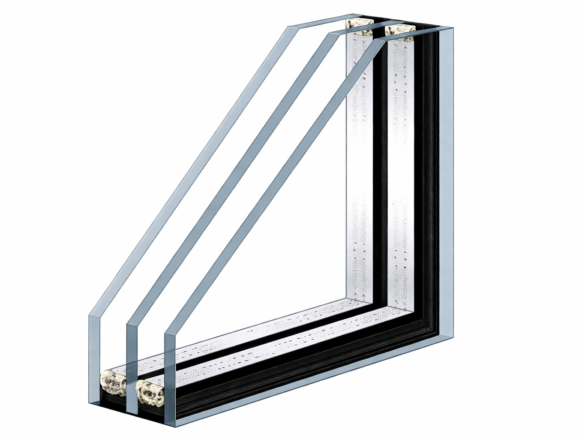
Core Information
- Product Thickness: 5+9A Aluminum Spacer+5, 6+12A+6, 8+15A+8, 10+10A+10 (A stands for air gap thickness; supports customized matching of glass and air gap thicknesses of any size)
- Core Process: Two/multiple glass sheets + aluminum spacer (with built-in desiccant) + double sealing (butyl rubber + polysulfide rubber/silicone rubber), filled with dry air in between (optionally filled with inert gases such as argon/krypton)
- Energy Efficiency Indicators: Heat transfer coefficient K-value ≤ 2.8W/(㎡・K) (for ordinary insulated glass); after filling with inert gas, the K-value can be reduced to ≤ 2.0W/(㎡・K); sound insulation ≥ 30dB
- Durability Properties: Seal life ≥ 15 years; air gap dew point ≤ -40℃ (no fogging in low-temperature environments)
Technical Advantages
- Strong Heat Insulation & Thermal Retention: The middle dry air layer (or inert gas) can block heat transfer — it reduces outdoor heat entering the room in summer and indoor heat loss in winter. Compared with ordinary single-layer glass, it can reduce building air conditioning/heating energy consumption by more than 30%, meeting the standards for "ultra-low energy consumption buildings".
- Professional Sound Insulation & Noise Reduction: The composite structure of double-layer glass + air gap effectively blocks external noise (such as traffic noise and crowd noise). With a sound insulation of over 30dB, it controls indoor noise below 40dB (the comfortable noise range for humans), making it especially suitable for noise-sensitive scenarios like street-facing residences, schools, and hospitals.
- Anti-Fog & Moisture-Proof Design: The aluminum spacer is equipped with high-efficiency desiccant, which can absorb moisture in the air gap. This ensures no fogging or mildew on the inner side of the glass in low-temperature environments, maintaining a clear view for a long time and avoiding reduced lighting and aesthetic issues caused by fog.
Application Scenarios
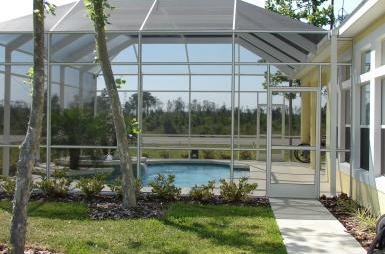
Residential Buildings: Residential doors and windows, apartment sunrooms, villa exterior glass

Commercial Buildings: Office building curtain walls, hotel room windows, conference room partitions
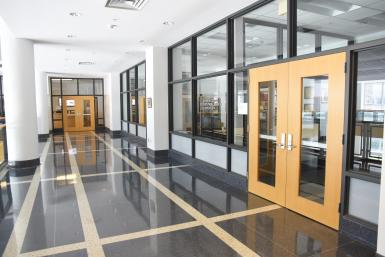
Special Scenarios: Hospital wards, school classrooms, buildings adjacent to highways.